Applications of Tube Fittings in Industrial Fluid and Gas Systems
Nov 02, 2025
Introduction
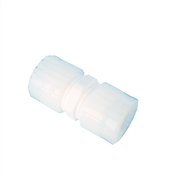
In industrial operations, a Tube Fitting is a critical component that ensures the safe and efficient transfer of fluids and gases through pipelines and process systems. Although it may appear to be a small and simple element, a properly selected tube fitting significantly impacts system reliability, leak prevention, and operational efficiency. Tube fittings are widely used in industries such as energy, chemical processing, food and beverage production, and pharmaceuticals. Each of these sectors presents unique challenges, including high pressures, temperature extremes, corrosive media, and stringent hygiene requirements.
Improper tube fitting selection or installation can lead to leaks, contamination, mechanical failure, and costly downtime. Conversely, selecting the right tube fitting ensures seamless fluid flow, process safety, and compliance with industry regulations. This article provides a comprehensive guide to the applications, selection criteria, and maintenance considerations for tube fittings in industrial fluid and gas systems.
Types of Tube Fittings and Their Functions
Compression and Flare Fittings
Compression and flare tube fittings are widely used in high-pressure and precision fluid systems. These fittings provide a secure and leak-resistant connection without requiring welding. Compression fittings rely on a compressive force to seal the joint, while flare fittings use a conical end to ensure tight sealing.
These fittings are particularly useful in energy systems, hydraulic lines, and gas distribution networks, where reliability and leak prevention are critical. Their modularity also allows easy maintenance and replacement, reducing system downtime.
Push-to-Connect and Quick-Connect Fittings
Push-to-connect and quick-connect fittings are designed for rapid assembly and disassembly of piping systems. They are ideal for pneumatic lines, low-pressure liquid transport, and automated production lines.
These fittings allow operators to connect tubes quickly without the need for specialized tools, making them suitable for applications requiring frequent changes or reconfigurations. Despite their simplicity, high-quality push-to-connect fittings maintain a reliable seal, even under continuous operation.
Specialty Fittings (Elbows, Tees, Reducers)
Specialty fittings such as elbows, tees, and reducers adapt to complex piping layouts and manage flow distribution. Elbows change the direction of fluid flow, tees allow fluid splitting, and reducers transition between different tube diameters.
Using these fittings correctly ensures consistent flow rates, pressure stability, and operational efficiency. In complex industrial networks, specialty tube fittings help maintain system integrity while minimizing energy losses.
Industrial Applications of Tube Fittings
Energy and Power Systems
In energy and power generation, tube fittings are critical for steam lines, liquid fuel transfer, and cooling systems. High-pressure and high-temperature conditions require fittings that can withstand operational stress without compromising safety.
For example, compression and flare fittings in boiler feedwater systems ensure a secure seal, preventing leaks that could reduce efficiency or pose safety hazards. Similarly, stainless steel fittings in cooling water circuits resist corrosion and maintain reliable flow over long-term operation.
Chemical and Petrochemical Industries
The chemical and petrochemical industries handle aggressive acids, bases, solvents, and high-temperature fluids. Tube fittings in these environments must provide chemical resistance, high strength, and leak-proof connections.
Materials such as stainless steel, alloyed metals, and high-performance polymers are often used to withstand corrosion and erosion. Reliable fittings ensure continuous operation, reduce maintenance costs, and protect workers from exposure to hazardous chemicals.
Food and Beverage Industry
In food and beverage production, tube fittings must meet stringent hygiene standards. Smooth internal surfaces and corrosion-resistant materials prevent microbial growth and contamination.
Tube fittings in CIP (Clean-In-Place) systems are designed to allow thorough cleaning without disassembly, ensuring compliance with FDA and other food safety regulations. Reliable fittings maintain consistent flow, prevent leaks, and safeguard product quality.
Pharmaceutical and Biotechnology Processes
Pharmaceutical and biotech processes demand high-purity fluid and gas transport. Tube fittings in these applications must be compatible with active ingredients, sterilizable, and free from leachable substances.
Stainless steel and high-grade alloy fittings are commonly used to meet FDA or USP requirements. These fittings ensure that pharmaceutical fluids and gases are transported safely, without contamination or chemical reaction, preserving product efficacy and regulatory compliance.
Key Selection Criteria for Tube Fittings
Material Compatibility
The material of a tube fitting must be compatible with the transported medium. Stainless steel, alloys, and polymer fittings are selected based on chemical resistance, temperature tolerance, and mechanical strength.
In chemical plants, fittings resistant to strong acids and solvents prevent corrosion and extend service life. In food and pharmaceutical systems, inert materials ensure product safety and purity.
Pressure and Temperature Ratings
Tube fittings must match the system's operational pressure and temperature. High-pressure steam lines, hydraulic circuits, or compressed gas networks require fittings rated to withstand maximum operating conditions without deformation or leakage.
Temperature resistance is equally important, especially in sterilization, pasteurization, or chemical reaction systems. Selecting fittings outside their rated specifications can lead to catastrophic failure.
Connection Type and Ease of Installation
Connection type impacts installation speed, maintenance, and system flexibility. Threaded, welded, and push-to-connect fittings each have advantages: threaded fittings offer strong mechanical integrity, welded fittings provide permanent and leak-proof joints, while push-to-connect fittings allow rapid assembly.
Ease of installation reduces labor costs and system downtime. Choosing the appropriate connection type is essential for operational efficiency and reliability.
Maintenance and Safety Considerations
Regular Inspection and Leak Prevention
Routine inspection of tube fittings is critical to prevent leaks, corrosion, and mechanical failure. Wear, cracks, or loose connections can compromise system safety and reduce efficiency.
Industrial facilities often implement preventive maintenance schedules, including visual inspections, pressure tests, and functional checks. Early detection of issues ensures timely repair and prevents costly downtime or safety incidents.
Compliance with Industry Standards
Tube fittings must adhere to industry standards such as ASME, ASTM, ISO, FDA, or USP, depending on the application. Compliance ensures material quality, operational safety, and regulatory adherence.
Certified fittings come with documentation and traceability, providing assurance that components meet stringent industrial requirements. Following these standards minimizes risks, protects personnel, and ensures reliable system performance.
Conclusion
Tube fittings are indispensable components in industrial fluid and gas systems, providing secure connections, leak prevention, and operational reliability across diverse sectors. Their applications range from high-pressure steam lines in energy systems to high-purity fluid transport in pharmaceutical and food industries.
Selecting the right tube fitting requires careful consideration of material compatibility, pressure and temperature ratings, connection type, and compliance with industry standards. Proper maintenance and inspection further extend service life and ensure safety.
By understanding the functions, applications, and selection criteria for tube fittings, engineers and procurement teams can optimize system performance, enhance reliability, and maintain safe and efficient industrial operations. Properly chosen and maintained tube fittings are a cornerstone of operational success in fluid and gas handling systems.