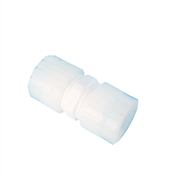
Maintenance Tips to Extend the Lifespan of Industrial Valves
Nov 11, 2025
Introduction
Valves are fundamental components in industrial fluid and gas systems, playing a critical role in controlling flow, regulating pressure, directing fluids, and ensuring safety. Despite their relatively small size compared to an entire piping system, valves have a significant impact on operational efficiency, reliability, and safety.
Neglecting valve maintenance can lead to leaks, corrosion, mechanical failure, unplanned downtime, and costly repairs. Conversely, proper maintenance practices extend valve lifespan, improve system performance, and reduce overall operating costs. This article provides comprehensive maintenance tips to help industrial operators maximize the longevity and reliability of their valves.
Regular Inspection and Monitoring
Routine Visual Checks
Regular visual inspection is the first line of defense in maintaining valve integrity. Operators should look for signs of corrosion, wear, leaks, or unusual vibrations. Early detection of these issues allows timely intervention, preventing minor problems from escalating into major failures. Visual inspections should be conducted according to a scheduled maintenance plan, ensuring consistent oversight.
Performance Monitoring
Monitoring valve performance involves checking flow rates, pressure, and operational response. Using sensors, automated monitoring systems, or manual testing, engineers can detect deviations from normal operation. Performance monitoring not only identifies potential problems but also provides valuable data for predictive maintenance strategies.
Leak Detection
Even small leaks can compromise system efficiency and safety. Employing pressure testing, ultrasonic leak detectors, or gas leak sensors helps detect leaks early. Timely action reduces fluid or gas loss, prevents equipment damage, and minimizes environmental and safety risks. Detecting and addressing leaks promptly is essential for maintaining operational reliability.
Cleaning and Lubrication Practices
Removing Deposits and Debris
Industrial fluids often carry sediments or particulates that can accumulate inside valves, obstructing flow and increasing wear. Regular cleaning removes these deposits, ensuring smooth operation. In systems handling corrosive or viscous media, cleaning is especially important to prevent blockages and maintain valve efficiency.
Proper Lubrication
Lubricating valve stems, seals, and other moving components reduces friction and wear. Selecting lubricants that are compatible with valve materials and the process medium is essential to prevent chemical degradation or contamination. Proper lubrication improves mechanical performance, reduces operational effort, and prolongs component life.
Preventing Corrosion
Corrosion is a major factor that reduces valve lifespan. Applying protective coatings, using corrosion-resistant materials, and performing regular cleaning mitigate the risk of corrosion. In highly corrosive environments, operators may also employ corrosion inhibitors or passivation techniques. Preventing corrosion preserves valve functionality and reliability.
Correct Operation and Handling
Avoiding Over-Torquing
Excessive force during installation or operation can damage threads, seals, and other components of a valve. Following the manufacturer's torque specifications prevents mechanical stress that could compromise valve integrity. Over-torquing often leads to leaks or early component failure, so proper handling is crucial.
Proper Opening and Closing Techniques
Rapid valve operation, particularly in high-pressure systems, can cause water hammer or mechanical shock. Slow, controlled opening and closing help prevent internal damage and minimize wear. For throttling or regulating valves, following the correct operational sequence ensures smooth performance and long-term reliability.
Staff Training
Proper operation depends on well-trained personnel. Training staff to handle valves correctly reduces the risk of misuse, accidental damage, or safety incidents. Clear operational guidelines and ongoing training programs contribute to the consistent performance of industrial valves.
Scheduled Maintenance and Replacement
Maintenance Intervals
Valves should be maintained according to a schedule based on type, material, and operating conditions. High-temperature, high-pressure, or corrosive systems may require shorter maintenance intervals. Adhering to a consistent maintenance schedule prevents unexpected failures and extends service life.
Component Replacement
Seals, gaskets, and other wear-prone parts should be replaced before failure occurs. Timely replacement of these components prevents leaks, preserves operational efficiency, and avoids the need for full valve replacement. Monitoring wear indicators and maintaining an inventory of critical parts is recommended.
Documentation and Records
Maintaining detailed maintenance records allows operators to track valve history, identify trends, and plan preventive actions. Documentation supports audits, compliance with standards, and informed decision-making. It also assists in predicting valve lifespan and optimizing maintenance schedules.
Compliance and Best Practices
Adhering to Manufacturer Guidelines
Valve manufacturers provide critical information on installation, operation, and maintenance. Following these guidelines ensures valves perform as intended and achieve their maximum lifespan. Ignoring manufacturer instructions can lead to premature failure and void warranties.
Industry Standards and Safety
Valves must comply with relevant standards such as ASME, ISO, API, or FDA depending on the application. Maintaining valves according to industry standards ensures operational safety, regulatory compliance, and consistent performance.
Environmental and Process Considerations
Maintenance strategies should consider the operating environment and process medium. Valves in corrosive, abrasive, or high-temperature environments require tailored maintenance approaches. Implementing appropriate protective measures ensures reliability and longevity under challenging conditions.
Conclusion
Extending the lifespan of industrial valves requires a combination of regular inspection, cleaning and lubrication, correct operation, scheduled maintenance, and adherence to manufacturer guidelines and industry standards. Implementing these practices reduces downtime, prevents failures, and optimizes system efficiency.
By prioritizing valve maintenance, industrial operators can ensure reliable, safe, and efficient operation of fluid and gas systems. High-quality valves, when maintained properly, not only enhance system performance but also provide long-term cost savings and operational stability.